 汉语
汉语
 English
 Français
 Deutsch



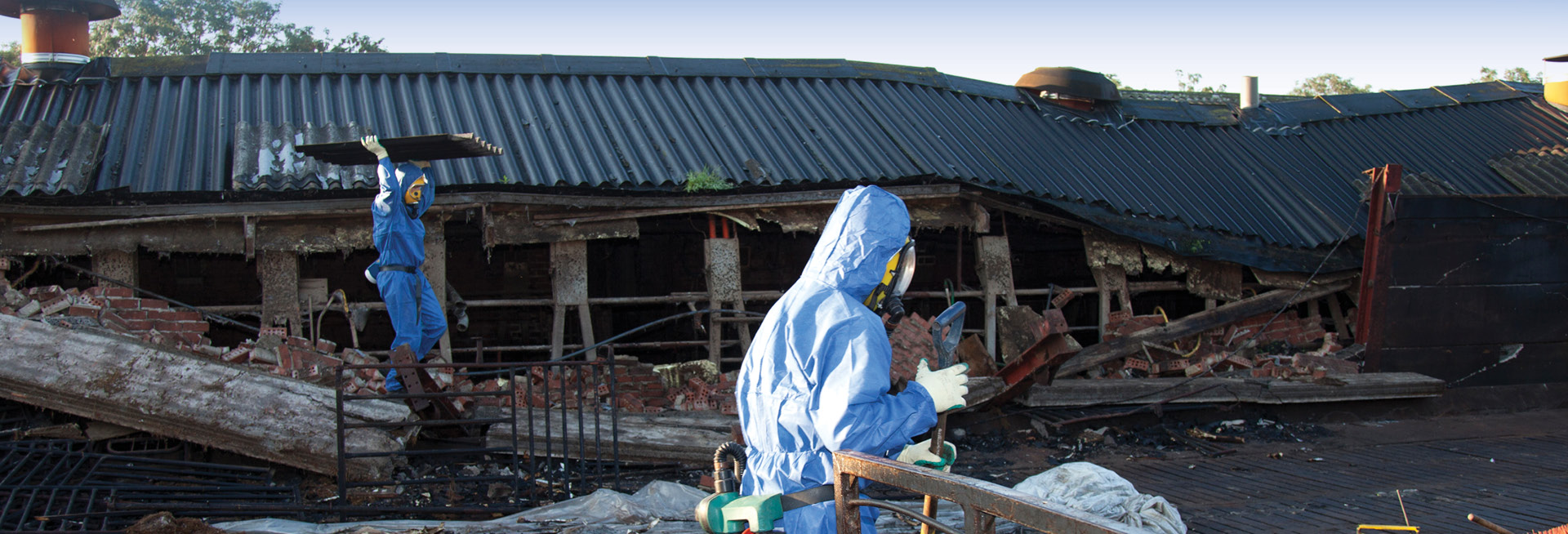
These regulations not only dictate remediation methods but also require real-time air quality monitoring to help with compliance. Emissions like aerosols (PM10 and PM2.5), gases, and volatile organic compounds (VOCs) are closely watched. Monitoring agencies require consistent data to verify that a site is operating within set limits and to prompt action if those limits are exceeded.
Why Real-Time Air Quality Monitoring Is Essential
In any remediation project, monitoring aerosols, gases, and volatile organic compounds (VOCs) is fundamental. Perimeter monitoring at hazardous waste disposal sites, brownfields and construction project sites is a key priority. The collected monitoring data is crucial for several applications, including urban air pollution analysis and roadside emissions monitoring. Effective site monitoring provides the data needed to make informed decisions, adjust operations, and maintain a safe environment for both workers and nearby communities. Without reliable, real-time data, site managers operate with significant gaps in their understanding of on-site conditions, which can lead to regulatory penalties and potential health risks.
Key Applications of Site Monitoring
- Fence-Line Monitoring: Creating a monitoring barrier around a remediation site helps contain contaminants and provides early warnings if pollutants are migrating off-site.
- Hazardous Waste Sites: Continuous monitoring is critical for managing the release of toxic substances during cleanup activities at these locations.
- Brownfield Redevelopment: Safely transforming former industrial sites requires careful monitoring to address legacy contaminants and new disturbances from construction.
- Urban Air Pollution: Data from remediation sites contributes to a broader understanding of urban air quality, helping cities develop more effective pollution control strategies.
- Community Watch Groups: Local organizations and state implementation plans often use monitoring data to hold sites accountable and advocate for public health.
A Technical Solution for Accurate Monitoring
To meet these demanding requirements, professionals need instrumentation that delivers precise, real-time data. The TSI DustTrak™ Environmental Aerosol Monitor features stable performance, enabling reliable environmental monitoring, and provides conveniently packaged solutions for measurement. Purpose-designed for such applications, it is a tailored solution whose continuous real-time monitoring capability is an essential feature for environmental remediation projects.
The DustTrak™ DRX monitor is a light-scattering laser photometer that provides real-time mass concentration readings for aerosols. It can simultaneously measure size-segregated mass fraction concentrations corresponding to PM1, PM2.5, respirable, PM10, and total PM size fractions. This detailed monitoring data is invaluable for understanding the specific types of particulate matter present and their potential health impacts.
Features That Support Remediation Efforts
Instrumentation designed for environmental monitoring often includes features that streamline the data collection and analysis process. For example, cloud-based management systems allow you to access data remotely from any internet-connected device. This empowers you to set alerts for exceedances and manage data logging from a distance.
Models like the DustTrak™ Environmental Monitor can be equipped with options such as heated inlets to reduce humidity's effect on measurements. This provides a more complete picture of how and where contaminants might be spreading, enabling more effective control measures. These instruments are built to operate continuously in outdoor settings, delivering reliable data day after day.
Achieving Compliance and Improving Safety
The primary goal of site monitoring in environmental remediation is to support regulatory compliance and help manage on-site safety. Government bodies like the U.S. Environmental Protection Agency (EPA) establish clear standards, such as those in the Clean Air Act, that remediation projects must meet.
By implementing a robust, real-time monitoring strategy, site managers and environmental consultants can:
- Generate Accurate Reports: Provide regulatory agencies with the detailed, credible data they require.
- Identify Pollution Sources: Quickly pinpoint the source of emissions to take corrective action and minimize environmental impact.
- Support Data-Driven Decisions: Use reliable data to implement effective air pollution control measures and optimize remediation processes.
- Enhance Community Relations: Demonstrate a commitment to safety and transparency with verifiable data, building trust with local communities.
Your Partner in Environmental Monitoring
At TSI, we offer a comprehensive range of air quality monitoring equipment designed for continuous, real-time monitoring of remediation sites. From fence-line monitoring to community watch group programs, our solutions are engineered to support compliance and facilitate effective environmental remediation. With advanced tools, you can confidently manage your site's environmental impact and meet your regulatory obligations.
To learn more information about TSI Environmental Air Monitors and how our environmental monitoring solutions can support your specific goals, please contact our experienced environmental experts for personalized guidance.