 汉语
汉语
 English
 Français
 Deutsch



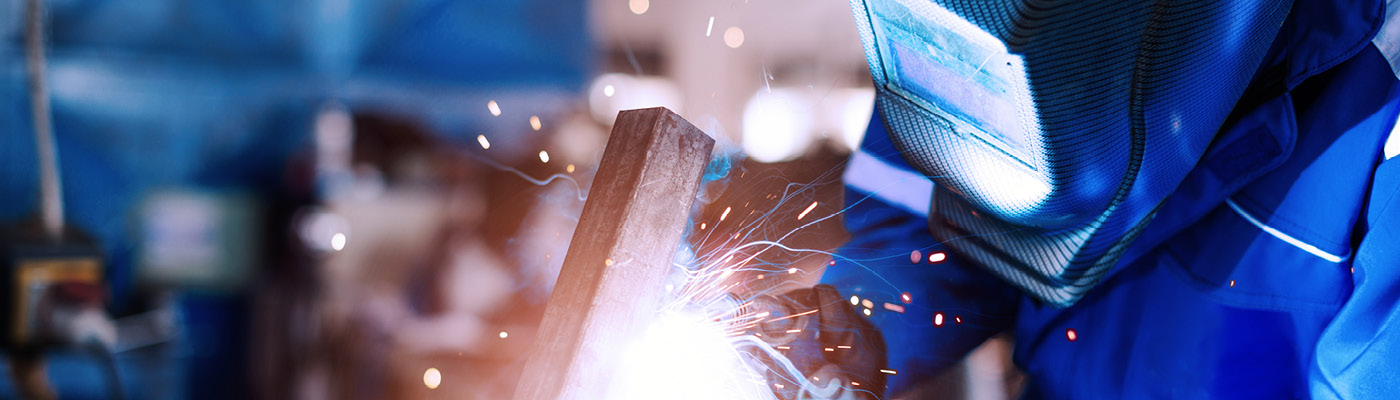
Table of Contents
Built To Last: The Toughness of Air Sampling Pumps
Industrial workspaces are rarely forgiving. From the scorching heat of a metal foundry to the abrasive, silica-laden air of a construction site, equipment used for industrial hygiene faces punishing conditions daily. Personal air sampling pumps sit at the heart of this challenge. Worn directly by workers, these devices must operate consistently in these harsh environments to help health and safety professionals gather accurate exposure data. While flow stability is critical, a pump's technical capabilities mean little if the device cannot survive the physical realities of the job site. This article explores the extreme challenges personal air sampling pumps face, the specialized engineering designed to withstand these conditions, and why physical durability is vital for effective exposure monitoring.
Air sampling pumps must withstand the punishing conditions of industrial workspaces.
The Harsh Realities of Industrial Environments
Personal air sampling pumps travel wherever the worker goes. This mobility means they are subjected to the exact same environmental stressors as the workforce. To understand the need for rugged engineering, we first need to examine the specific hazards these devices encounter in the field.
Temperature Fluctuations
Many industrial processes involve extreme heat or cold. Workers in foundries, glass manufacturing, going from the top to the bottom of a mine shaft, or simply indoors to outdoors, high temperatures that can impact an air sampling pump. Personal air sampling pumps must meet an international standard (ISO13137), and part of this means flow accuracy needs to be maintained across a wide temperature range, as well as other environmental variations such as ambient pressure.
High Dust and Particulate Levels
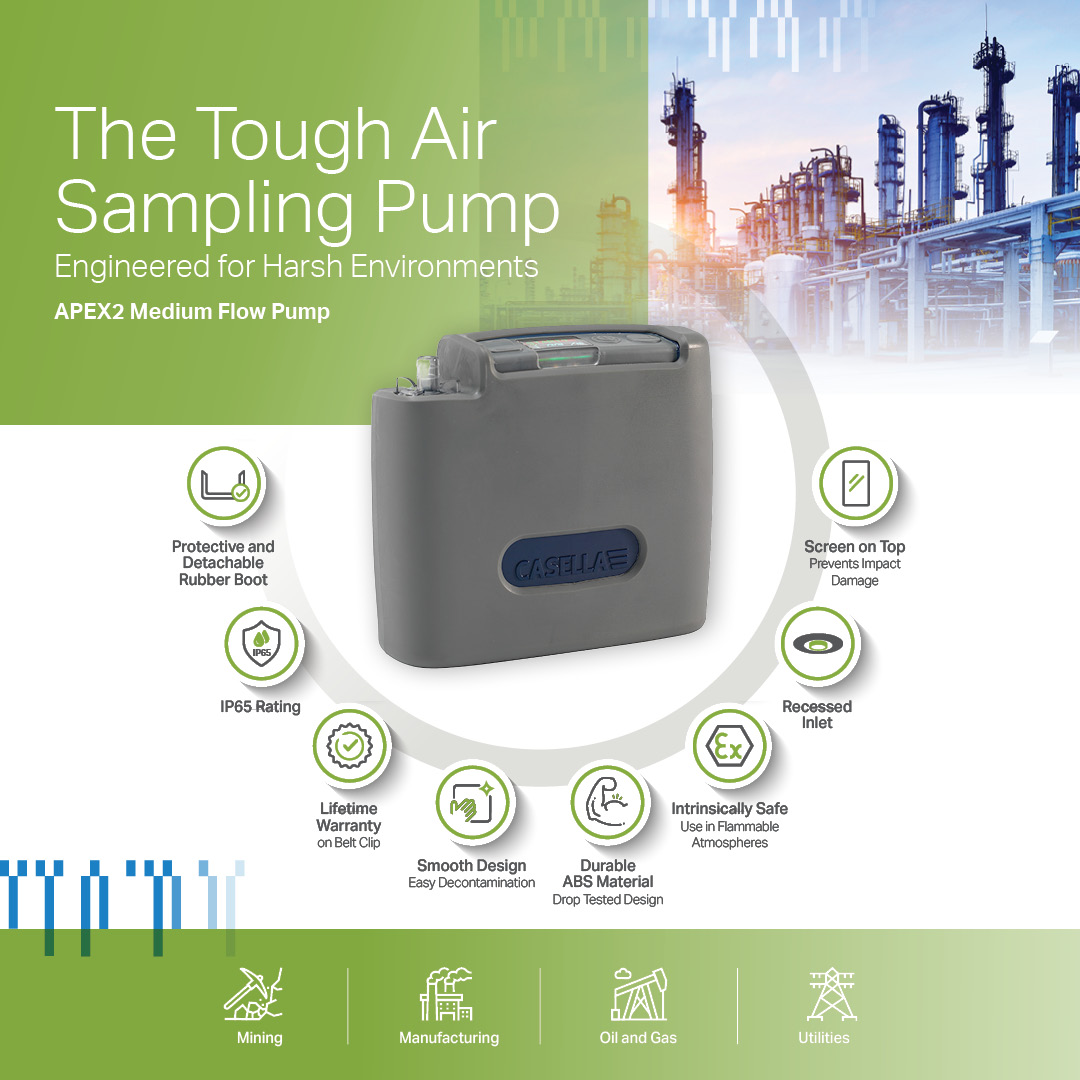
The primary purpose of many sampling pumps is to measure airborne particulates. Consequently, they operate in environments often saturated with dust, dirt, and grime. If fine particulates infiltrate the internal workings of a pump, they can grind down moving parts, clog valves, and disrupt the delicate mechanisms that control airflow. Choose a personal air sampling pump that has an Ingress Protection (IP rating) is critical to the long life of a personal air sampling pump. An IP rating consists of two numbers: the first indicates resistance to solids like dust, and the second indicates resistance to liquids. The latter is also important, pumps often face wet environments such as in mines simply from use outdoors.
Physical Impacts
Workers are active. They climb scaffolding, crawl through confined spaces, operate heavy machinery, and handle rough materials. A pump worn on a belt is highly susceptible to physical impacts. It can be knocked against steel beams, dropped onto concrete floors. Personal air sampling pumps must be built to withstand this harsh treatment, even if it is just being accidently dropped, which is bound to happen. Check an air sampling pump has been drop tested, this will help give confidence that the pump you are purchasing can withstand physical impacts without damage, keeping cost of ownership low by preventing the need for repair.
Engineering For Endurance: Key Durability Features
To assist safety managers in capturing valid data, manufacturers engineer modern air sampling pumps with a strong focus on durability. Surviving many eight-hour shifts in a heavy industrial setting requires a combination of robust materials, clever structural design, and meticulous assembly. The first line of defence is the exterior casing. High-quality sampling pumps utilize impact-resistant polymers, such as reinforced polycarbonates, designed to absorb and deflect the energy from drops and impacts. Many designs also incorporate rubberized over-molding or rugged exterior boots. This material acts as a shock absorber, cushioning the device when it inevitably strikes a hard surface. The texture of these materials also provides a better grip, reducing the risk of accidental drops when workers handle the equipment with gloved hands. Smooth, snag-free profiles help the pump avoid catching on equipment and make clean down or decontamination of a pump much easier. Ruggedness is also vital to maintain intrinsic safety, any case damage such as cracks would compromise the intrinsic safety validity of the pumps, and would require repair prior to further use of the air sampling pump. Personal air sampling pumps are often belt mounted, so a good belt clip is essential. Much thought is often put into the clip design to ensure pumps cannot slip off a belt, also considering the variety of belt widths and thicknesses they may face. A display is a must have feature on a modern air sampling pump. It allows for easy setup of the sampling pump, such as for setting the flow and calibration, as well as reading off the volume of air and duration of the sample. Choosing a pump with a screen that wont be damaged is key. Having a display that is on top of the pump, so wont be damaged, is an important consideration.
Why Durability Matters For Reliable Exposure Monitoring
The toughness of an air sampling pump directly influences the integrity of the exposure data collected. Occupational hygienists rely on this data to make critical decisions regarding workplace controls and worker health. When a pump fails mid-shift, the entire sample can be lost. This results in wasted time, lost resources, and the need to repeat the monitoring process. More importantly, it delays the acquisition of data necessary to support health and safety initiatives. Furthermore, a pump does not have to stop completely to compromise an assessment. If a drop damages an internal seal or slightly misaligns the motor, the pump might continue running but lose its ability to maintain a stable flow rate. As we know, accurate volume calculation relies entirely on a constant flow rate. If the flow drifts outside acceptable parameters without the safety manager knowing, the resulting mass-to-volume calculation will be inaccurate. By investing in rugged, durable equipment, organizations help reduce the risk of mechanical failures and support the collection of defensible, high-quality data. Tough equipment assists in maintaining compliance with stringent international standards, such as ISO 13137, which demands consistent performance under varied conditions.
Durable Solutions: Casella Apex2 and Vapex Pumps
Casella designs its air sampling solutions with the harsh realities of the modern workplace in mind. The equipment is engineered to provide precise measurements while withstanding physical demands.
Casella Solution
Apex2: Built For The Dustiest Environments
The Casella Apex2 personal sampling pump is specifically built to handle the rigors of heavy industry, mining, and construction, used for the air sampling or dusts, particulates and other respirable hazards.
Learn More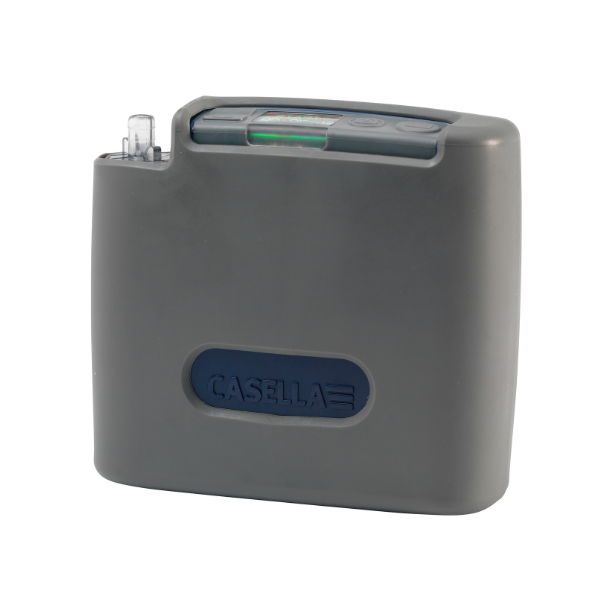
Casella Solution
Vapex: Toughness For Chemical Applications
For low-flow personal air sampling applications, targeting gases and vapors, such as Volatile Organic Compounds (VOCs), the Casella Vapex delivers durability.
Learn More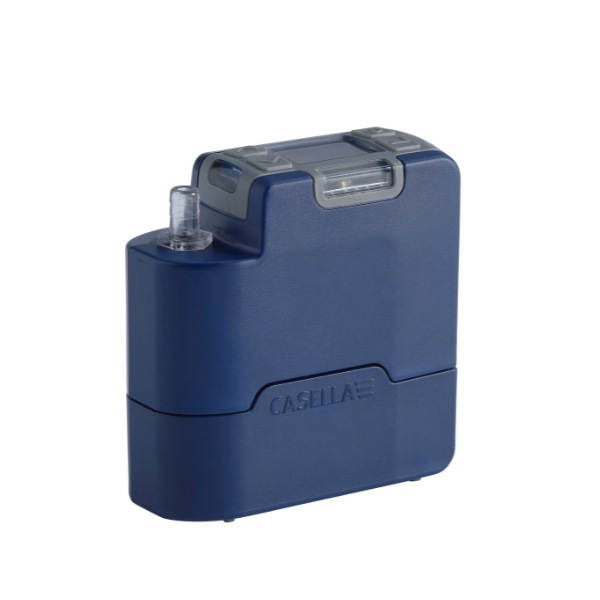
Summary
Accurate exposure assessment is a critical component of protecting workers from airborne risks, and it requires equipment that works as hard as the people wearing it. When selecting personal air sampling pumps, evaluating the physical toughness of the device is just as important as reviewing its technical specifications. Extreme temperatures, high dust loads, and frequent physical impacts are unavoidable realities in many sectors. By utilizing pumps engineered with rugged, sealed casings, health and safety professionals can help support the continuous, reliable collection of personal exposure data. Durable instruments like the Casella Apex2 and Vapex assist organizations in maintaining compliance, reducing the risk of invalid samples, and ultimately making informed decisions to support a healthier work environment.
Frequently Asked Questions
Extreme temperatures can impact flow accuracy, so pumps must meet ISO13137 standards to ensure consistent performance across varied environmental conditions.
An Ingress Protection rating indicates resistance to solids and liquids, which is critical for protecting internal mechanisms from dust, grime, and moisture.
Drop testing ensures a device can withstand physical impacts typical of active industrial environments, keeping repair costs low and data integrity high.
High-quality pumps often use impact-resistant polymers like reinforced polycarbonates and rubberized over-molding to absorb energy from drops and impacts.
Any case damage like cracks can compromise intrinsic safety validity, requiring the device to be repaired before it can be used in hazardous areas.
Placing the display on top of the pump helps protect the screen from damage while making it easy for users to monitor flow and calibration.
Mid-shift failure usually results in the loss of the entire sample, leading to wasted resources and delays in health and safety initiatives.
The Casella Apex2 features an IP65 rating, making it highly resistant to dust and water ingress in the most challenging environments.
Yes, the Vapex is engineered with an intrinsically safe design specifically for use in potentially explosive petrochemical and pharmaceutical settings.
Accurate volume calculation requires a constant flow rate; if flow drifts due to internal damage, the mass-to-volume assessment will be inaccurate.