Application

HVAC Optimization

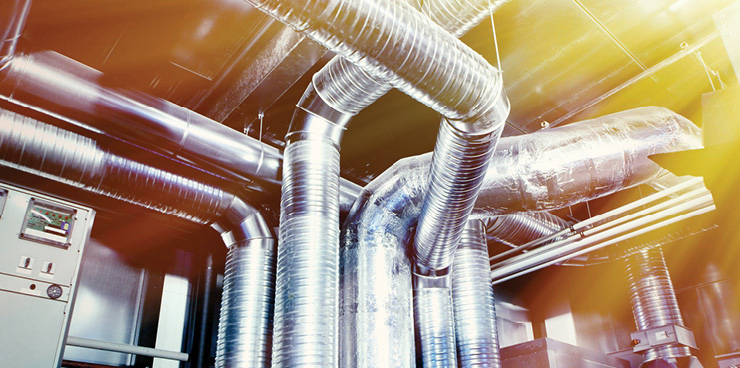
HVAC optimization is vital for enhancing energy efficiency, reducing operational costs, and ensuring occupant comfort in buildings. By fine-tuning heating, ventilation, and air conditioning systems, organizations can minimize energy waste, lower carbon footprints, and comply with environmental regulations. Optimized HVAC systems maintain consistent indoor air quality (IAQ), fostering healthier environments and improving productivity. Additionally, when it comes to the equipment, efficient HVAC operations prolong the lifespan and decrease maintenance expenses. 

With the integration of smart technologies and data analytics, optimization becomes more precise, allowing for real-time adjustments based on occupancy patterns, weather conditions, and other variables.

Overall, investing in HVAC optimization not only yields immediate benefits in cost savings but also contributes to sustainability efforts and enhances overall building performance.

HVAC Optimization
HVAC Optimization
wind

Energy Efficiency Improvements

Researching methods to enhance the energy efficiency of HVAC systems, such as incorporating advanced technologies like variable refrigerant flow (VRF) systems, energy recovery ventilators (ERVs), and high-efficiency heat pumps. In addition, optimizing system components, improving insulation, and utilizing renewable energy sources helps reduce overall energy consumption and operational costs.

bio

Predictive Maintenance and Fault Detection

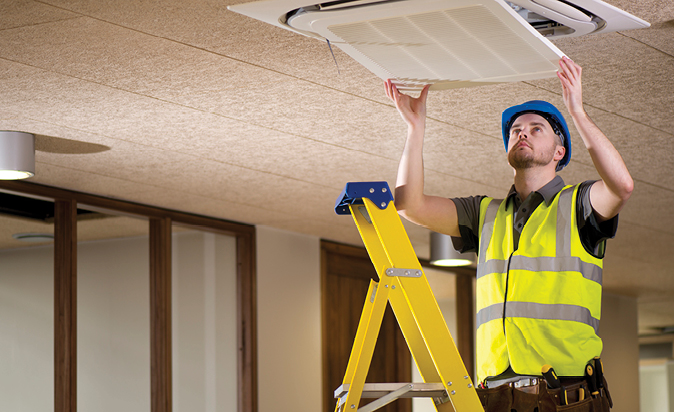
Exploring predictive maintenance and fault detection technologies for HVAC systems. This includes using data analytics, machine learning, and sensor networks to predict when maintenance is needed before failures occur, identify inefficiencies, and detect faults in real-time. Proactive maintenance helps extend the lifespan of HVAC equipment, reduce downtime, and improve overall system efficiency.

Smart HVAC Controls and Automation

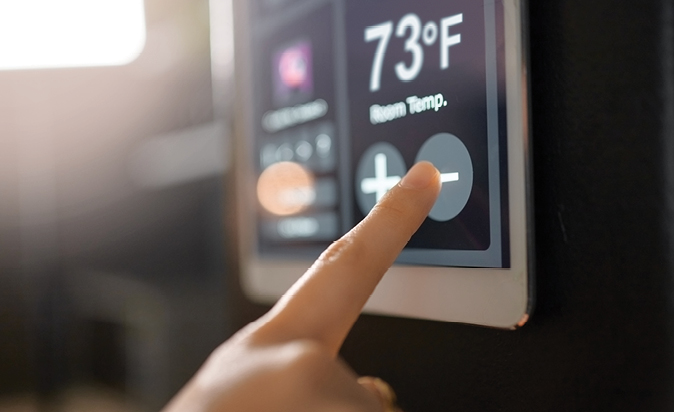
Developing and implementing smart controls and automation systems to optimize HVAC operations in real-time. This includes the use of IoT devices, sensors, and artificial intelligence (AI) to monitor environmental conditions, adjust settings based on occupancy and usage patterns, and integrate HVAC systems with other building management systems for enhanced performance and energy savings.

Technical

Energy-Efficient HVAC System Design and Retrofitting

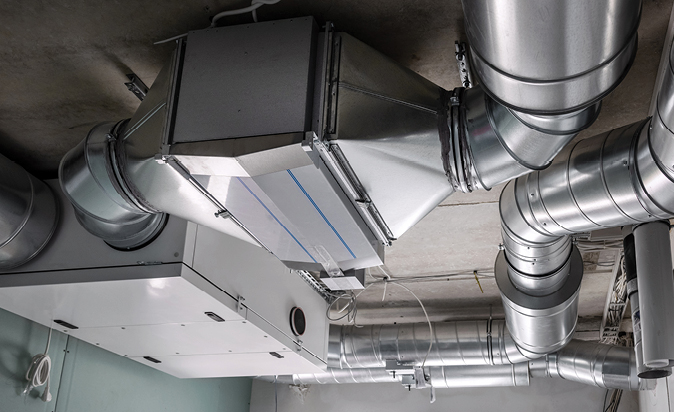
Energy-efficient HVAC system design and retrofitting are crucial for optimizing HVAC performance, reducing energy consumption, and cutting operational costs while maintaining indoor comfort and air quality. Advanced technologies like variable refrigerant flow (VRF), geothermal heat pumps, and energy recovery ventilators (ERVs) enhance efficiency and sustainability. Retrofitting existing systems with energy-efficient components extends equipment lifespan, lowers carbon footprints, and meets stringent energy regulations. These practices are key to creating environmentally friendly, cost-effective, and high-performance building environments.
guy

Questions fréquentes

Q. How to improve HVAC efficiency?

To improve HVAC efficiency in commercial buildings, implement regular maintenance, upgrade to high-efficiency equipment and optimize controls with smart technology. Utilizing demand-controlled ventilation and conducting energy audits can further reduce energy consumption and improve occupant comfort.

Q. What is the impact of HVAC optimization on indoor air quality?

Optimizing HVAC systems improves indoor air quality (IAQ) by enhancing ventilation, reducing pollutant levels, and maintaining consistent humidity. This leads to a healthier indoor environment, minimizing respiratory issues and promoting overall well-being of the building and occupants.

Q. How does HVAC optimization contribute to sustainability?

HVAC optimization contributes to sustainability by reducing energy consumption, lowering greenhouse gas emissions, and extending the lifespan of the equipment. This results in cost savings and a smaller environmental footprint.  With the TSI VelociCalc® 9600 Series Multi-Function Ventilation Meter, professionals can use a versatile and portable solution for measuring air velocity and determining a building’s ventilation effectiveness.